

OUR COMMITMENTS
FOR LIFE BY ECOCERT
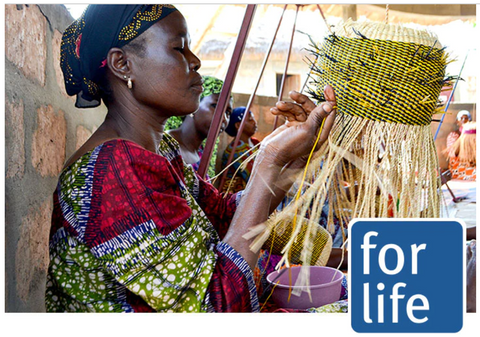
Alaffia is a For Life certified organization by ECOCERT for demonstrated corporate social responsibility (CSR). Our products containing shea, black soap, white soap, or coconut, are made with fairly traded ingredients.
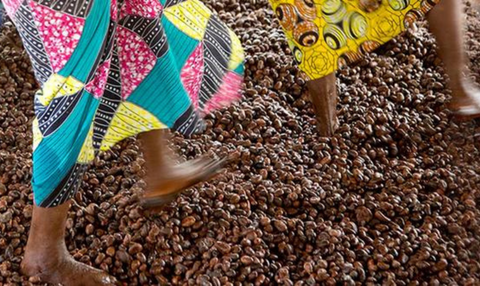
ECOCERT is one of the first and most renowned international inspection and certification agencies for fair trade accountability, combining strict social and fair trade standards with adaptability to local conditions. Using fairly traded ingredients in our products ensures cooperatives in economically disadvantaged countries receive a greater percentage of the price paid by consumers. As an example, our trade partners pay 15-25% above market price for shea nuts. Cooperative members also receive a salary more than 3x the average family income in Togo.
You can read more about ECOCERT at Ecocert Fair Trade and more about For LIFE certifications at www.fairforlife.org
MINORITY BUSINESS ENTERPRISE
Alaffia is Minority Business Enterprise (MBE) certified as a minority-owned, managed and controlled business.